
Ford Key Programming and PATS: What Owners Should Know
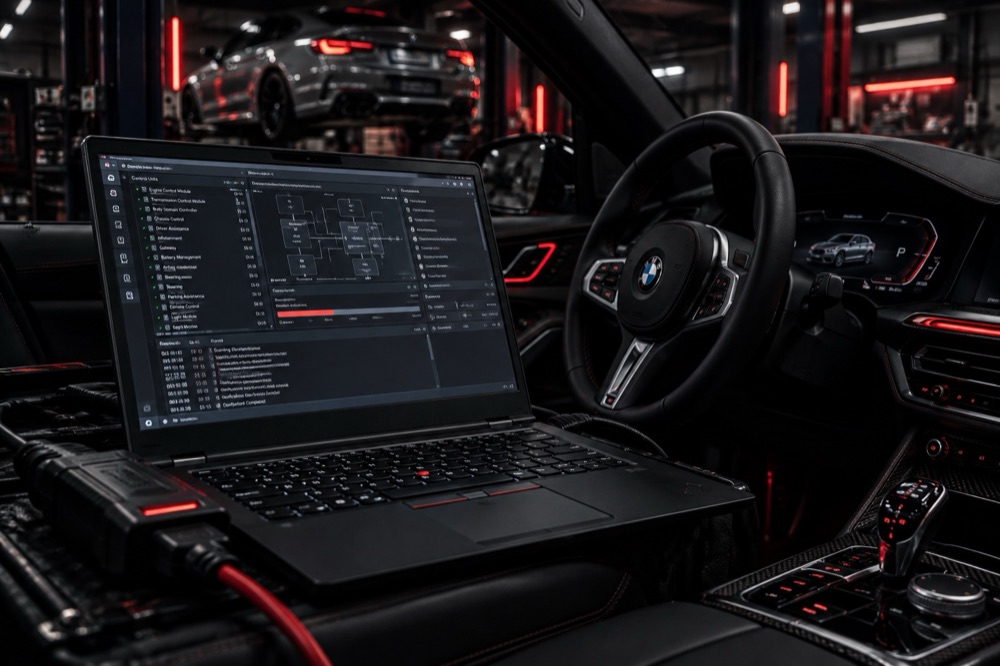
Ford trucks and SUVs are a big part of the traffic around Plano and the rest of DFW, and sooner or later many owners need a new key. On most Fords from the last couple of decades, that key has to be programmed to the vehicle’s anti-theft system, known as PATS.
What PATS is
PATS stands for Passive Anti-Theft System. Ford began using it in the late 1990s, and it’s been on most Ford, Lincoln and Mercury vehicles since. Like other immobilizers, it reads a transponder chip in the key or fob and allows the engine to run only if the key is one the vehicle has learned.
“Passive” just means you don’t have to do anything. It arms itself when the key is removed or the vehicle is turned off. Newer push-button start Fords use the same idea with smart keys instead of a traditional ignition key.
Symptoms: the theft light and no-start
The most common sign of a PATS problem is the theft indicator light on the dash, often a small padlock or car-with-key symbol, flashing or staying on when you try to start. The engine may not crank, or it may start and stall after a second or two. Some vehicles also store diagnostic codes that point to the key or the PATS system.
Causes include a damaged or unprogrammed key, a failing antenna or transceiver around the ignition, wiring issues, or a module problem. A diagnostic scan helps tell which.
Spare keys versus all keys lost
Some Ford models allow an additional key to be added when two working programmed keys are already present, but that doesn’t apply to every model or year, and it won’t help if you only have one key or none. In those situations, the new key has to be programmed with diagnostic equipment.
All keys lost is the harder case. Depending on the vehicle, programming may involve a security access procedure that takes time, and on some models existing keys get erased and all keys are relearned together. That’s one more reason to keep a working spare.
Why programming often needs equipment
PATS is a security system, and Ford designed it so a key can’t be added without proper access. Programming uses tools that communicate with the vehicle’s modules, and the exact process depends on the model, year and key type. We don’t publish step-by-step procedures, and we don’t disable or bypass PATS. The goal is always a key that works with the system fully intact.
Remotes and smart keys
On many Fords the remote lock functions are programmed separately from the PATS chip, so a key can start the truck while its buttons do nothing, or vice versa. Smart keys for push-button start vehicles handle both, and the vehicle has to learn the fob for each function.
Some Fords also have a keypad on the door, and many trucks share keys across trims that look similar but use different chips or frequencies. Matching the right key to your VIN avoids buying a fob that can’t be programmed to your vehicle.
What to have ready when you call
Have your year, model and VIN ready, tell us how many working keys you have, and describe what the theft light is doing. Bring your registration or title and a matching photo ID, since we verify ownership for all key and security work.
Call Top Coding at (561) 215-6048, and we’ll let you know whether your Ford’s key can be programmed and what the process will involve.