
Toyota Key Fob Replacement and Programming: What to Know
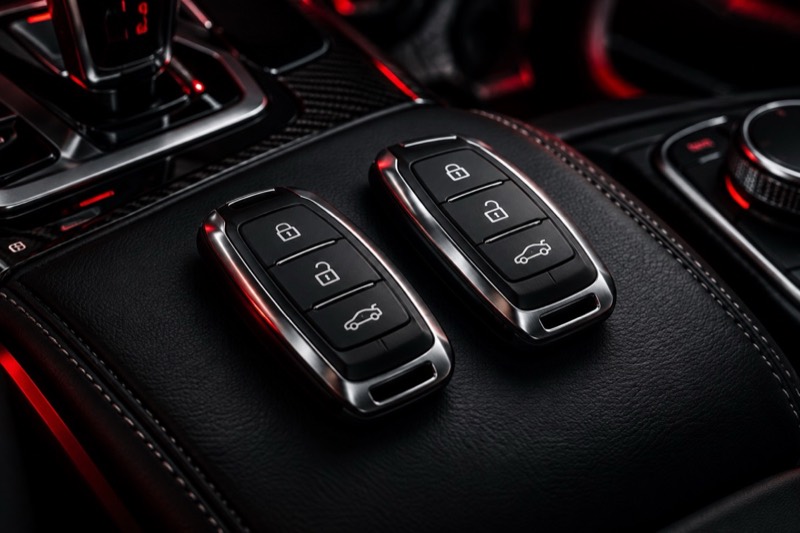
Toyotas have a reputation for running forever, which means plenty of owners eventually need a new key for a car that’s many years old. The tricky part is that “Toyota key” can mean a few very different things depending on the model and year, and each one is replaced a little differently.
Here’s a general overview so you know what kind of key you have and what replacing it involves.
Transponder keys
Many older Toyotas use a metal key with a plastic head that contains a small transponder chip. There are no buttons for locking or unlocking — that may be on a separate remote. The chip talks to the immobilizer when you turn the key, and if the car doesn’t recognize it, the engine won’t stay running.
A copy cut at a hardware counter may open the doors but won’t start the car unless the chip is programmed to it.
Remote head keys
Later models on many lines combined the key blade and the remote into one piece, with lock, unlock and sometimes trunk or panic buttons built into the head. These keys need two things to work fully: the transponder must be programmed so the engine starts, and the remote must be paired so the buttons work. Those are sometimes separate steps.
Smart keys and push-button start
Many newer Toyotas use a smart key that stays in your pocket or purse. The car detects it for keyless entry and push-button start. Most smart keys still hide a small emergency blade inside for the door lock. Replacing a smart key means getting the correct fob for that vehicle and registering it with the car’s smart key system, which typically requires diagnostic equipment.
Why programming is always part of it
No matter the type, a new key isn’t ready to use straight out of the package. The immobilizer only lets the engine run with keys it has stored, so a new key has to be added. Fobs also need to match the vehicle’s frequency and system; a fob that looks identical but comes from a different market or model may not program at all. That’s why matching the part to your VIN matters.
If you’ve lost all your keys, the process is usually more involved than adding a spare, and on some models it can take extra steps to get the system ready to accept a new key.
Dealer vs. independent shop
A dealer can handle Toyota keys, and that’s a fine option. An independent shop with the right equipment can often do the same work, which may be more convenient if you’d rather not schedule around a service department. Either way, ask whether the key will be cut and programmed in the same visit and what’s needed if you have no working key.
The same general approach applies to Lexus, Toyota’s luxury brand, which uses similar key types, though the specific fobs and steps vary by model.
What to have ready when you call
Before you call Top Coding, have your year, model and VIN ready, along with a description or photo of your current key if you have one. Let us know whether you need a spare or have lost every key. We’ll need to see a photo ID and the title or registration before doing any key work. We help drivers across Plano and DFW with keys for European cars and other makes, including Toyota and Lexus, depending on the vehicle. Call us at (561) 215-6048.