
Lost All Your Car Keys? What Happens Next
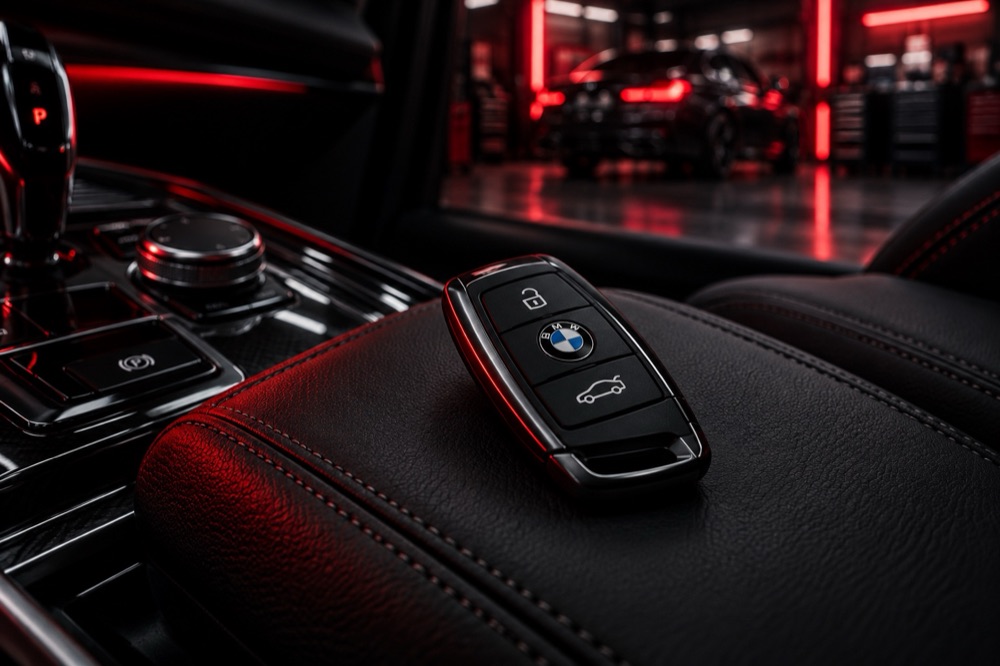
Losing your only car key is one of those problems that feels bigger than it is — until you start calling around and realize it really is a different job from getting a spare made. The good news is that on most vehicles, losing every key does not mean you need a new car or even a new ignition. It just means the process has a few more steps.
Here’s what an “all keys lost” situation usually looks like, so you know what to expect before you pick up the phone.
Why all keys lost is different from a spare
When you have a working key, a spare is often a matter of cutting a new blade and adding the new key to the car’s memory while the existing key is present. Many vehicles use the working key as part of the authorization step.
With no working key, that shortcut is gone. Depending on the vehicle, the security data may need to be read from the immobilizer or a related module before a new key can be added. On some cars that can be done through the diagnostic port; on others the module has to be accessed more directly. The blade, if your key has one, also has to be cut from the lock or from key code information rather than copied from an original.
What the process usually involves
The exact steps depend on the make, model and year, but most all-keys-lost jobs include identifying the correct key type, cutting the mechanical blade if there is one, accessing the immobilizer system to program the new key, and then testing that the car starts and the remote functions work.
On many newer vehicles, programming a key also means the system stores which keys are valid. Any key that is not programmed in that session may no longer work — which is useful if your lost key could turn up in the wrong hands.
Documents you’ll need
Because this work involves the car’s security system, expect to show proof that the vehicle is yours. That usually means a government-issued photo ID along with the title or current registration in your name. If the car is in someone else’s name, such as a spouse or a business, sort out the paperwork first — it saves a wasted trip.
Having the VIN handy also helps. It’s printed on the registration and insurance card, and is usually visible through the windshield on the driver’s side.
Towing vs. bringing the car in
With no key, the car usually can’t be driven to the shop, so plan on a tow. Some vehicles need the module work done with the car on hand, so ask before you arrange transport — towing it to the right place the first time is easier than moving it twice.
If your car is parked somewhere in Plano or the wider DFW area, make sure the tow driver knows whether it’s in park with the steering locked, since that affects how it can be loaded.
Get a spare once you’re back on the road
The most common reason people end up in an all-keys-lost situation is that they never had a second key. Once your car is running again, adding a spare is almost always simpler than starting from zero. Doing it in the same visit is often the easiest option, since the car is already there and the system is already being accessed.
Keep the spare somewhere safe at home, not in the car.
What to have ready when you call
When you call Top Coding, have the year, make and model, the VIN, and a quick description of the key you had — a plain key, a key with buttons, or a push-to-start fob. Let us know where the car is and whether it will need to be towed. We work on European vehicles and all other makes, and we’ll tell you up front what your specific car needs. Give us a call at (561) 215-6048.